Trusted by






PhotonAssay™
The future belongs to teams who make confident decisions in real-time. PhotonAssay™ provides faster, safer more accurate gold analysis.
No chemicals. No fire. No compromise.
Trusted by
The Technology
For centuries, fire assay set the rhythm of gold mining. It worked but it destroyed the sample, relied on hazardous chemicals, poisoned workers and made its call on just 50 grams from a tonne of ore.
PhotonAssay™ rethinks the system. Using high-energy X-rays to excite atomic nuclei in geological samples, PhotonAssay™ delivers gold concentration data in approximately two minutes — with no chemicals, no lead-contaminated waste and no sample destruction.
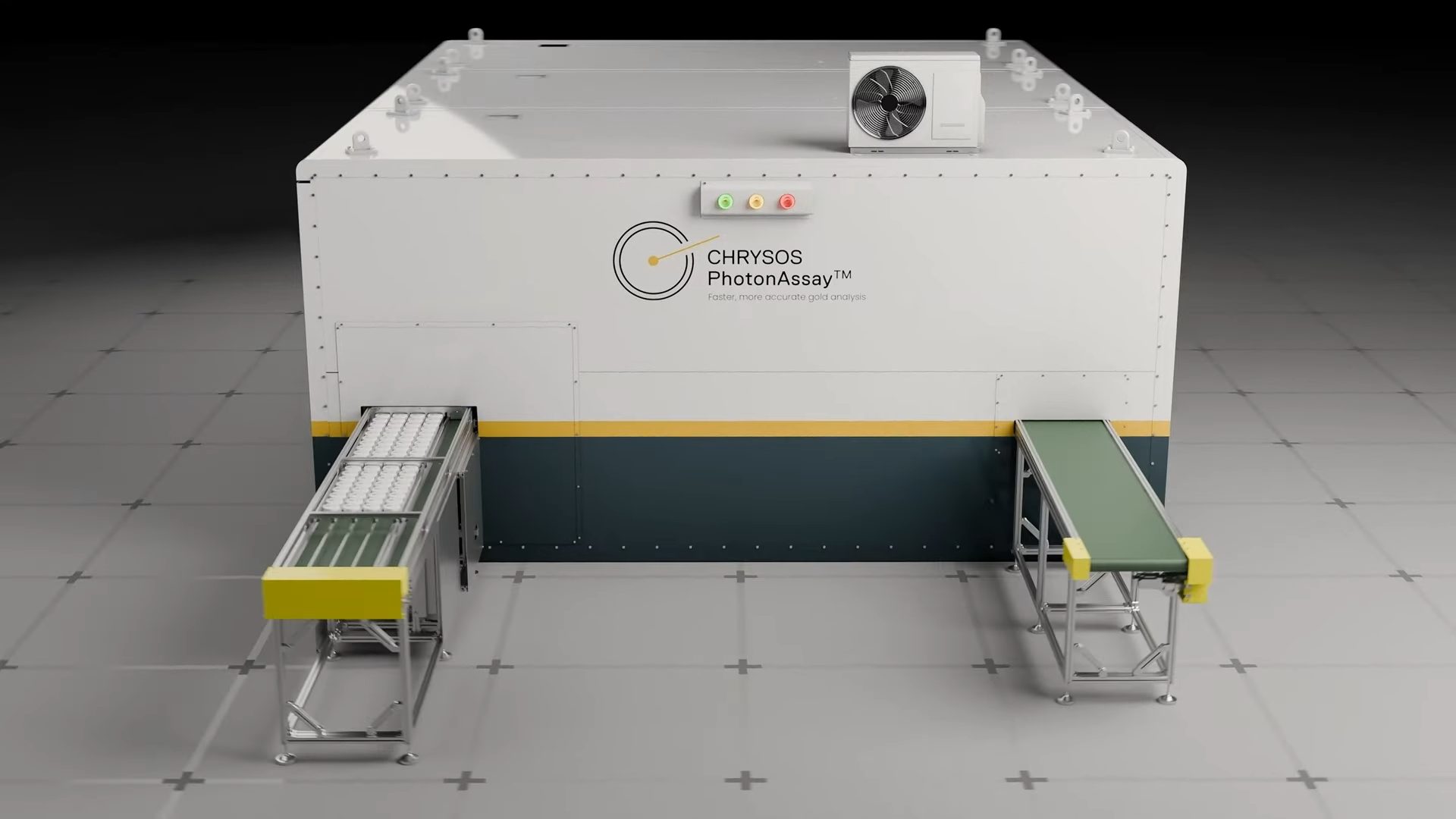
The Process
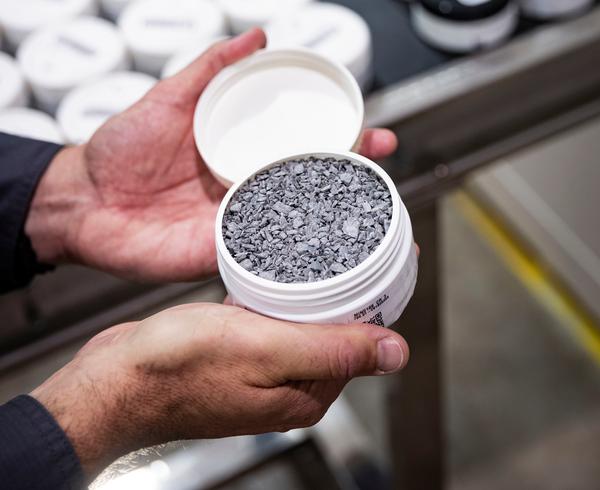
Geological samples are dried, crushed, sealed into unique QR-coded jars and placed on a conveyor belt. Automation does the rest.
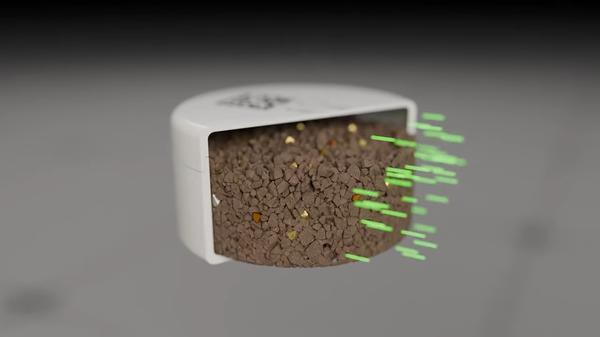
The linear accelerator (LINAC) hits the sample with high-energy X-rays exciting the atomic nuclei before measuring the unique signature of the specific element.
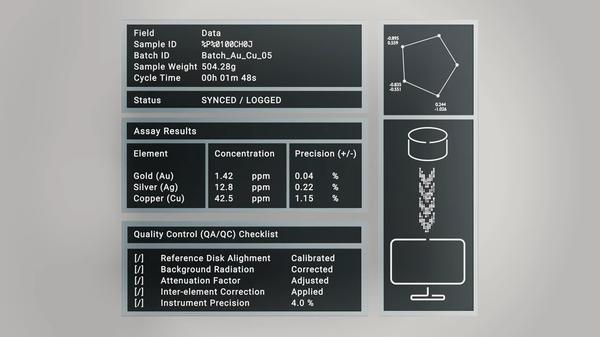
Results are delivered to your Laboratory Information Management System (LIMS) within minutes and the sample remains intact, available for storage or remeasurement.
PhotonAssay™ vs Fire Assay
PhotonAssay™ outperforms traditional fire assay across every metric that matters.
| Fire Assay | PhotonAssay™ | |
|---|---|---|
| Time per sample | ~3–4 hours | ~2 minutes |
| Sample size | 10–50 g | 400–650 g |
| CO₂ per sample | 2.3 kg | 0.9 kg |
| Hazardous waste per sample | 0.31 kg | 0 kg |
| Energy use per sample | ~8.9 kWh | ~1.7 kWh |
| Automation | ✕ | ✓ |
In Action
Dr. Simon Dominy explains how PhotonAssay™ fits within international reporting codes and what Competent/Qualified Persons need to know when using PhotonAssay™ data in public reporting.
Watch Now
With a cutoff grade of 0.2 grams per tonne, idle machinery and a slow fire assay lab, Macraes gold mine turned to PhotonAssay™ on site — faster turnaround at low grade, fewer steps and more reliable results.
Read the full story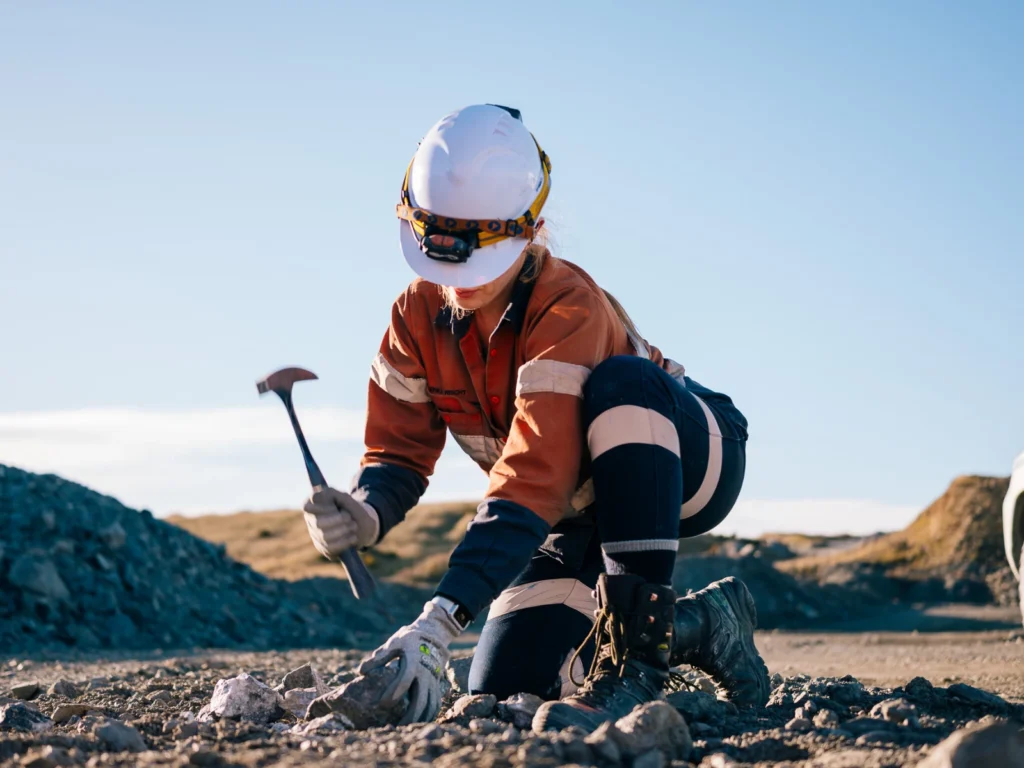
Most PhotonAssay™ vs fire assay comparison studies aren't designed to reach a rigorous conclusion. Rene Sterk and co-authors lay out exactly how to do it properly.
Read the full story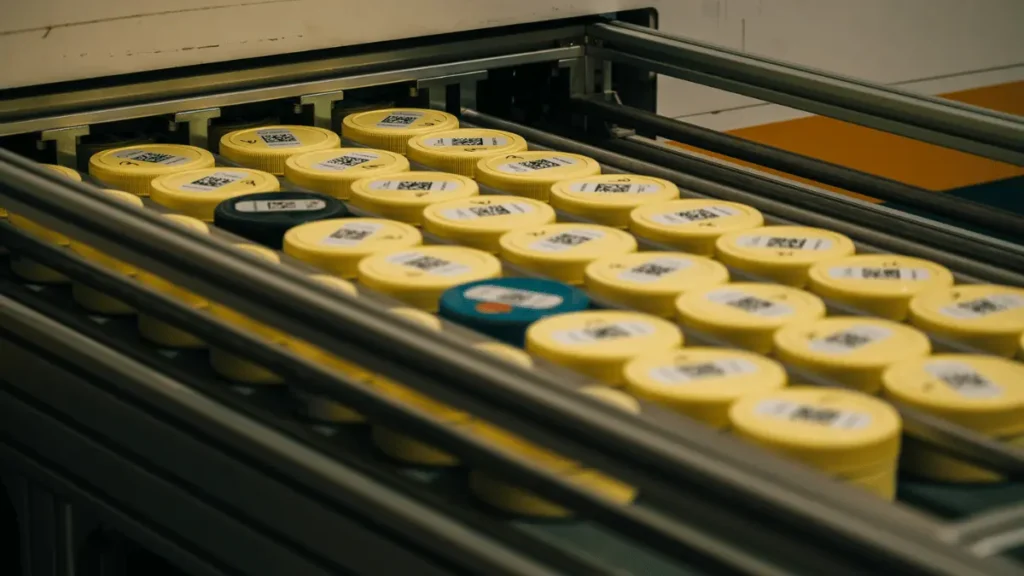
Deploying PhotonAssay™ on-site transformed grade control enabling near real-time decision making while increasing reconciliation.
Read the full story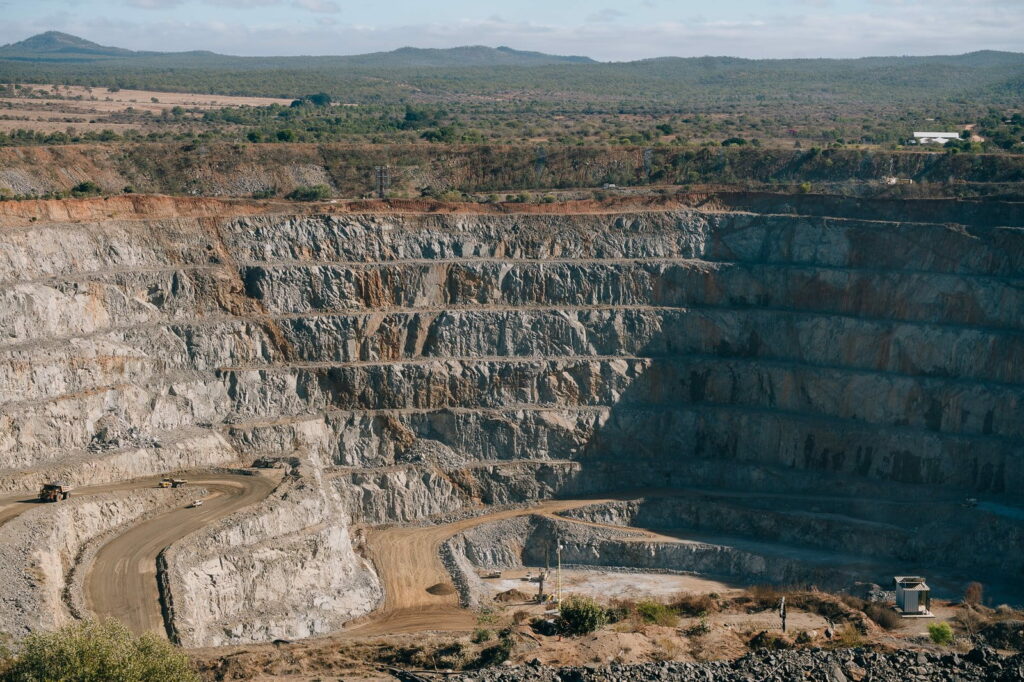
Can poor sampling decisions cost you your project? Dr Simon Dominy, Dr Naomi Potter, and Dr James Tickner on how assay precision and sampling strategy directly impact resource models, reconciliation, and project NPV.
Watch Now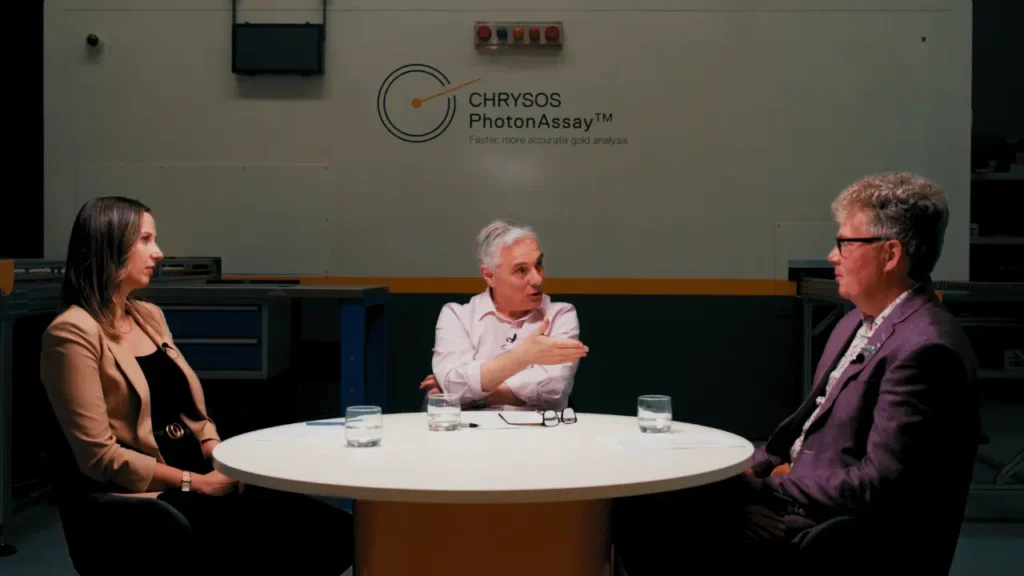
Nueva en la tecnología PhotonAssay™, o simplemente buscando una introducción clara. Este webinar explica cómo funciona, qué la hace diferente y por qué la industria minera la está adoptando en todo el mundo.
Ver El Webinar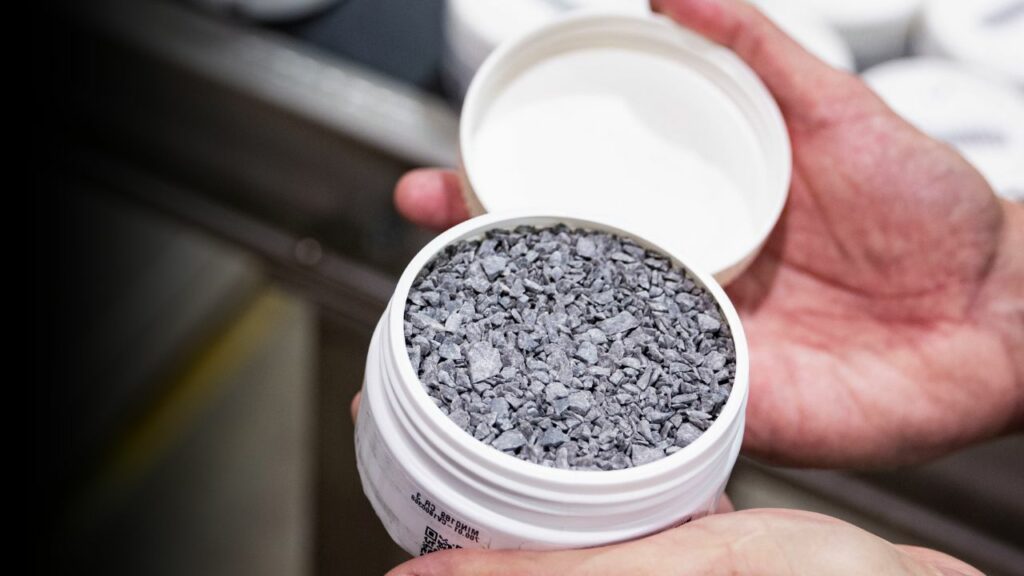
Latest
Chrysos CTO Dr. James Tickner shares how the company’s R&D program is strengthening product quality, supply-chain resilience and operational performance, while opening new opportunities beyond gold.
December 10, 2025
The global laboratory group will deploy its first PhotonAssay™ unit in Antofagasta, Chile in FY26, marking Chrysos’ entry into Latin America and the fifth continent for PhotonAssay™.
September 19, 2025
Chrysos and Newmont have entered a MSA and signed a lease contract for a unit to be installed at the Ahafo mine in Ghana.
May 9, 2025Adopting PhotonAssay™
PhotonAssay™ units are deployed through flexible leasing arrangements tailored to each operation's needs.
Unit leased by a laboratory to service multiple mining customers
Unit leased by a laboratory to service a specific mining operation
Unit leased and operated by a miner on site
Unit leased by a miner and operated by a laboratory
Global Presence
Sustainability
PhotonAssay™ generates zero direct greenhouse gas emissions during analysis. Unlike fire assay, which requires combustion of lead-based fluxes at extreme temperatures, PhotonAssay™ is entirely electrically powered.
Approximately ten times less energy is consumed during a PhotonAssay™ analysis compared to traditional fire assay. The entire process is automated and requires no sustained high-temperature furnace operation.
PhotonAssay™ completely eliminates lead-contaminated waste from the assay process. Samples remain intact and uncontaminated, available for storage or remeasurement.
FAQs
Yes. PhotonAssay™ results are routinely included in JORC and NI 43-101 compliant resource and reserve statements and are trusted by Competent and Qualified Persons worldwide. We sat down with Dr. Simon Dominy CP/QP to answer this question. Read the paper or watch the webinar to learn how PhotonAssay™ fits within international reporting codes.
PhotonAssay™ achieves a lower limit of detection of 0.01 ppm on reagent blanks, and 0.015–0.030 ppm on typical gold ores — well within the range required for most exploration and production applications. At the upper end, samples up to 35,000 ppm can be measured without dilution. Relative precision is around 4% at 1 ppm, comparable to fire assay at the same grade.
You don’t. Until you do. And it should be mentioned that Newmont, Barrick, Nevada Gold Mines, Gold Fields and many other mining companies trust (and report publicly using) PhotonAssay™ data.
But really, it’s about you and your colleagues understanding the data and the economics of switching to PhotonAssay™ that will build the trust. The answer lies somewhere amongst the following:
1) The data quality objectives your project needs to “prove” that PhotonAssay™ data is more accurate and precise than your current method, 2) Understanding what the industry is already doing — and what their due diligence tells you 3) Whether running your samples with PhotonAssay™ will save you time and/or money.
These are nuanced and important pieces. And we’d love to connect with you about them. Get in touch and one of our colleagues will gladly dive in with you.
PhotonAssay™ is designed to cost less than fire assay per sample — and the value goes further than that. A single PhotonAssay™ measurement on a 500-gram sample effectively replaces up to 10 fire assay measurements on 50-gram sub-samples. You’ll also save on sample prep — PhotonAssay™ only requires crushing, not pulverising. For laboratories: pricing varies by provider, so check with your local PhotonAssay™ lab. For on-site deployment: we work on a competitive Fee-Per-Sample model, with the unit leased to you or your lab operator of choice. Reach out and we’ll work through the numbers with you.
First question: do you actually need one? If the answer is yes, start internally. Sit down with your colleagues and stakeholders and define your Data Quality Objectives — your DQOs. These become the benchmark for one simple question: is PhotonAssay™ data better than what you have now, and by how much? Once you have your DQOs and the right people in the room, get in touch. If you need help getting there, our Technical Services team is set up to support you through exactly this process. A good place to start is Rene Sterk’s paper on DQOs and PhotonAssay™ application.
A high-energy linear accelerator fires precisely timed pulses of X-rays through a 500-gram sample. Those X-rays penetrate the entire sample — not just the surface — exciting atomic nuclei directly. Gold, silver and copper each respond with a distinct gamma ray signature. Precision germanium detectors read those signatures and return a result in under two minutes. The whole process is fully automated. Samples are barcoded, queued, irradiated and measured without operator intervention. Results are delivered digitally, with QA/QC data logged in real time.
In simplest terms, XRF can’t be used to quantitatively analyse gold. Both PhotonAssay™ and XRF use X-rays but that’s essentially where the similarity ends. XRF uses low-energy X-rays — around 400 times lower energy than PhotonAssay™ — that only penetrate the surface of a sample and interact with atomic electrons. It can’t measure bulk samples directly, and it doesn’t have the sensitivity to detect gold at the concentrations that matter in mining. PhotonAssay™ uses a high-energy linear accelerator to excite atomic nuclei throughout the entire 500-gram sample. That’s a fundamentally different physical process — and a fundamentally different level of accuracy and precision.
Gold is PhotonAssay™’s initial application — and where it delivers the most significant advantage over fire assay. The same system can also measure silver and copper, with automatic inter-element corrections to ensure accurate results in polymetallic ores. Each element has a distinct gamma ray energy signature — gold at 279 keV, copper at 512 keV — allowing PhotonAssay™ to separately report grades even in complex multi-element samples.
PhotonAssay™ isn’t impacted by the form of your sample. Single rocks, pulverised ore, feed, concentrate, tailings, slurries — all can be measured without special preparation. The technology has even been used to measure gold content in electronic waste. The only requirement is that the sample fits in the jar and weighs up to 500 grams. Beyond that, PhotonAssay™ is agnostic to physical form, chemical composition and mineralogy.
Yes. PhotonAssay™ is designed from the ground up with safety at its core. The unit contains no radioactive material. X-rays are generated electronically by a linear accelerator — when powered off, it produces no radiation whatsoever. There are no radioactive sources to manage, transport, dispose of or license. During operation, every unit is fully enclosed with custom-designed shielding and safety interlocks. A heavy plug seals the irradiation chamber before analysis begins — if any door or seal isn’t verified, the X-ray source simply can’t operate. No operators need to enter the unit during the analysis process. X-ray levels outside the unit comply with international guidelines and are completely safe for operating personnel and members of the public. After analysis, samples are retained in the unit for a short cooling period before exiting the conveyor, completely safe to handle, store or re-measure. Every safety question is a good one. Our team would be glad to walk you through the specifics for your site or jurisdiction.
PhotonAssay™ is available at commercial laboratories around the world. Check out the map on our homepage for your nearest PhotonAssay™ unit. We consider ~8,000+ samples per month the rough indicator that makes leasing a PhotonAssay™ unit on your mine site more economical. Your mining project can either lease and operate the unit yourselves, or you can work with your trusted laboratory partner for them to lease and operate the unit on your mine site. Get in touch and our specialists will gladly discuss the best operating model for your project.
PhotonAssay™ uses blanks and Certified Reference Materials to validate instrument performance, precision and calibration in real time. Every result is accompanied by an instrument precision value calculated specifically for that sample — not a batch average, but a value tied to exactly what was just measured. The system automatically flags samples with unusual properties, including high naturally occurring uranium or thorium, interfering elements, or unusually heterogeneous samples that may indicate coarse or nuggety gold. All QA/QC data is logged digitally and integrates seamlessly with LIMS and mine information systems, maintaining complete audit trails. Unit performance is benchmarked against the global PhotonAssay™ fleet and monitored by specialist support around the clock.
PhotonAssay™ has been validated against a broad range of certified reference materials, showing excellent agreement with fire assay across all ore types and grades, with a correlation greater than 0.99. In most cases the same CRMs used in your current fire assay workflow are compatible with PhotonAssay™. For specific compatibility guidance, reach out to your local PhotonAssay™ laboratory or specialist.
Fire assay has been the industry standard for thousands of years — it works, but it comes with real limitations that miners have quietly accepted. A 50-gram sub-sample analysed over several hours, with hazardous chemicals and high temperatures. PhotonAssay™ analyses a 500-gram sample in under two minutes. No flux, no furnace, no chemical waste. The result is a true bulk measurement improving your resource confidence, your recovery and your margins.
By the time you receive your fire assay result, gold has already been liberated, concentrated, and moving through your plant. Meanwhile, PhotonAssay™ can deliver results on process samples in two minutes.
Sample preparation is nearly eliminated: a wet filter cake can be jarred and analysed with PhotonAssay™, delivering both an accurate gold result and a moisture content, allowing immediate reconciliation to a dry-gold grade. The larger sample size gives you better representativity of what’s going on in your plant, rather than a statistical guess.
PhotonAssay™ is the difference between adjusting your circuit today and finding out what you missed tomorrow. For process metallurgists who need high-volume, fast-turnaround, representative gold measurement — PhotonAssay™ isn’t an alternative to fire assay. It’s an upgrade.
Every decision in a mine flows from a number. What to mine, where to mine it, what to send to the mill, what your resource actually is — all of it depends on the quality of your assay data. If that data is built on 50-gram sub-samples and a process designed for a different era, the uncertainty compounds quietly, decision by decision.
PhotonAssay™ gives you a true measurement from a 500-gram bulk sample. That changes things upstream and downstream. Grade control becomes more reliable. Resource estimates carry less hidden uncertainty. Reconciliation between your model and your mill improves. And because results come back in under 2 minutes rather than hours or weeks, you’re not left making today’s decisions with yesterday’s data.
Better data doesn’t just improve your numbers. It improves your confidence in them — and that’s what makes the difference between a decision you can defend and one you’re hoping holds up.